
How to Safely Install and Use Portable Generators
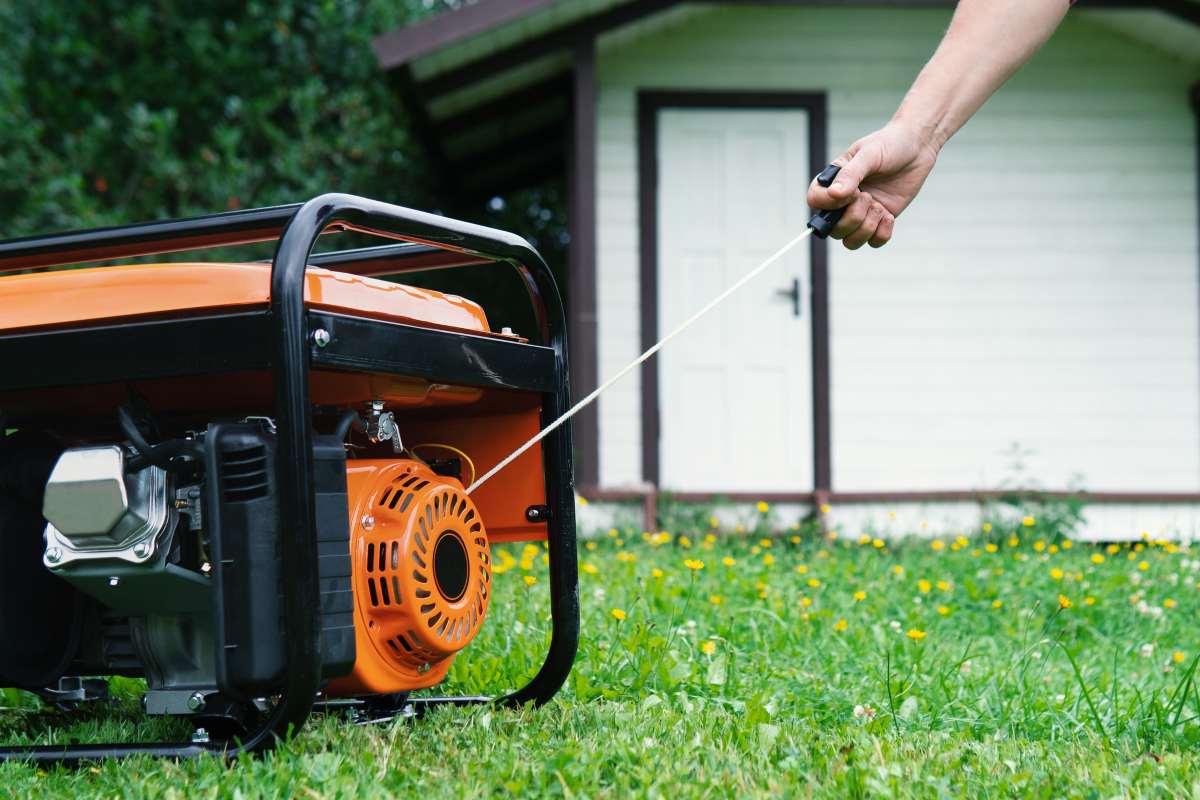
Learn How to Safely Install Portable Generators
Portable generators offer a reliable solution for keeping your essential appliances powered during outages or outdoor projects. At Provident Electric, we offer expert guidance on how to safely and efficiently install and use portable generators. Proper usage is key to maximizing performance and ensuring safety when preparing for unexpected power loss or enhancing your outdoor events. Selecting the right generator for your outdoor events. From selecting the right generator for your needs to following proper setup steps, we make the process simple. Keep your home and projects running smoothly without expertise in portable generator installation and safety practices.
How to Install Your Portable Generators
Installing a portable generator requires careful planning and attention to detail. A safe and effective setup depends on selecting the right location, utilizing proper equipment, and adhering to local electrical codes. Below is a list of key steps to follow during installation. Each one plays a vital role in protecting your property and keeping your backup power system running smoothly:
- Choose a Safe Location Outdoors – Place the generator on a flat, dry surface at least 20 feet away from doors, windows, and vents. This prevents carbon monoxide from entering the building and maintains the unit’s stability during operation.
- Use a Transfer Switch – A transfer switch connects the generator to your home’s electrical panel safely and legally. It prevents backfeeding, which can endanger utility workers and damage appliances.
- Ground the Generator Properly – Use a grounding rod and follow the manufacturer’s instructions to reduce the risk of electrical shock. Proper grounding also helps stabilize voltage and protect connected devices.
- Install a Weatherproof Cover – A cover shields the generator from rain, snow, and debris while allowing proper airflow. This helps extend the unit’s life and ensures reliable performance.
- Check Local Codes and Permits – Contact your local building department to confirm installation requirements and secure any needed permits. Compliance with local codes ensures safety and avoids fines or delays.
Operating Your Generator Safely
Running a portable generator safely protects your home, your equipment, and the people around you. Every step matters – from how you start the unit to how you store fuel. Take advantage of our safety tips to ensure your generator operates smoothly and efficiently. These guidelines are based on years of field experience and follow industry best practices. Below is a list of safety tips that help reduce risk and keep your backup power system running smoothly:
- Keep the Generator Dry and Ventilated – Operate the unit in an open space with plenty of airflow to prevent overheating. Never run it in rain or wet conditions unless it’s covered with a ventilated, weatherproof canopy.
- Use Heavy-Duty Extension Cords – Choose cords rated for outdoor use and high wattage to prevent overheating. Inspect cords for damage before each use to avoid electrical hazards.
- Store Fuel Safely and Away From the Unit – Keep gasoline in approved containers at least 20 feet from the generator. Store fuel in a cool, dry place away from direct sunlight and ignition sources.
- Turn Off Appliances Before Starting the Generator – Powering up with a light load helps the generator stabilize before handling full demand. Once running smoothly, plug in devices one at a time.
- Let the Generator Cool Before Refueling – Hot engine parts can ignite fuel vapors and cause injury. Wait at least 15 minutes after shutdown before refueling the tank.
Maintenance Tips for Long-Term Use
Routine maintenance keeps your portable generator ready for emergencies and extends its lifespan. A well-maintained unit performs more efficiently and reduces the chance of unexecuted issues. We recommend a consistent schedule for upkeep. Below is a list of maintenance tips that help ensure your generator stays in top condition. Each step supports safe operation and long-term reliability:
- Change the Oil Regularly – Fresh oil keeps the engine lubricated and prevents wear on internal parts. Follow the manufacturer’s schedule and use the recommended oil type for best results.
- Inspect the Air Filter – A clean air filter allows proper airflow and helps the engine run smoothly. Replace or clean the filter every few months, especially after heavy use.
- Test the Generator Monthly – Running the unit for 15-20 minutes each month keeps the battery charged and parts moving. This also helps identify any performance issues before an emergency.
- Check Fuel Levels and Condition – Old fuel can clog the system and reduce efficiency. Use fresh gasoline and add stabilizer if storing fuel for more than 30 days.
- Tighten Connections and Inspect Wiring – Vibrations during use can loosen bolts and wiring over time. Check all connections and look for signs of wear or corrosion.
Reliable Power Starts With a Safe Installation
Portable generators offer peace of mind, but proper setup and care make all the difference. Provident Electric provides expert installation, safety guidance, and long-term maintenance support. Our licensed professionals help clients select the right equipment and maintain it to ensure it runs smoothly year after year. If you’re preparing for storm season or upgrading your backup power system, we’re ready to help. Call now to schedule a consultation or request service. Let’s make sure your generator is safe, dependable, and ready when it matters most.