
The Role of Electrical Inspections in Home Insurance
The Role of Electrical Inspections in Home Insurance
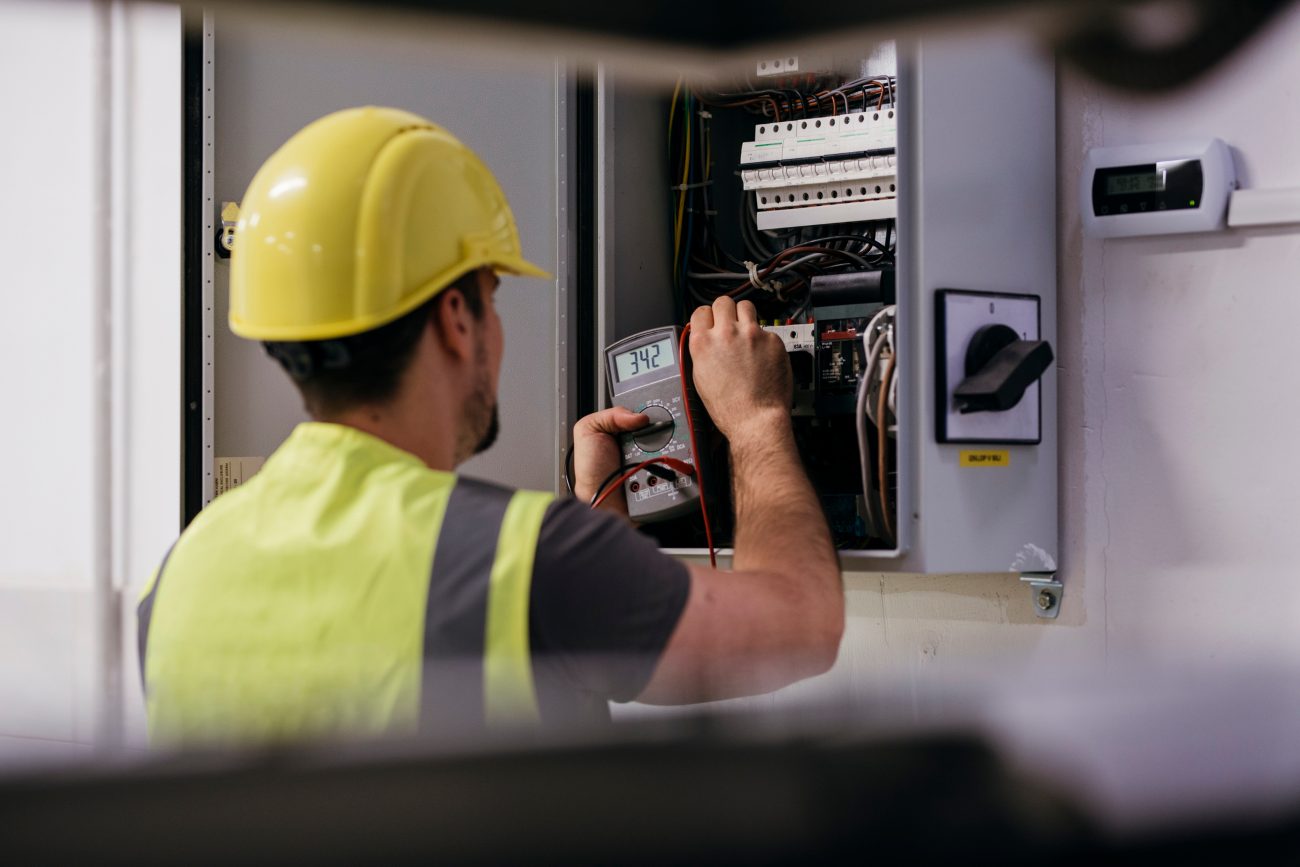
Electrical inspections play a crucial role in ensuring homes are safe and eligible for insurance coverage. These evaluations help identify outdated wiring, overloaded circuits, and other hidden risks that could lead to fires or system failures. Insurance providers often require proof of a recent inspection before issuing or renewing a policy, especially for older homes or properties with recent renovations. At Provident Electric, we understand the role of electrical inspections in home insurance and how they contribute to long-term safety and peace of mind. A thorough inspection not only protects your home, but it can also lower premiums and prevent costly claims.
Insurance Requirements and Electrical Safety
Insurers require electrical inspections to promote safety and mitigate potential risks. These inspections help assess the condition of your home’s electrical system, ensuring it complies with safety standards. When filing a home insurance claim, a thorough and well-documented inspection can provide clarity on existing conditions and help prevent disputes. Inspections also help determine eligibility for coverage by identifying any hazards that could lead to fire or other damage. Insurers focus on specific issues that pose risks, and addressing them can lower the chance of accidents or claim denials. Here are some common issues insurers look for during electrical inspections:
- Outdated Wiring – Old wiring, such as knob-and-tube systems, is a fire hazard due to its inability to handle modern electrical loads. Insurers often consider homes with these systems high-risk until upgrades are made.
- Overloaded Circuits – Circuits carrying more power than they are designed for can overheat, increasing the risk of an electrical fire. Insurers ensure circuits meet safety standards to minimize potential loss.
- Improper Electrical Panel Conditions – Panels with missing covers, faulty breakers, or insufficient capacity are unsafe. They can cause short circuits and power surges, which may lead to costly damage.
- Exposed or Damaged Wiring – Exposed wires are prone to wear, creating shock and fire hazards. Insurers seek repairs or replacement to reduce risks.
- Absence of GFCI Outlets in Key Locations – Homes without ground-fault circuit interrupters in areas like bathrooms and kitchens are at greater risk of electrical shock. Installing these outlets is often necessary to meet safety codes.
The Benefits of Electrical Inspections for Homeowners
Electrical inspections offer more than just peace of mind. They provide real value for homeowners. These evaluations help ensure that a home’s electrical system is safe, efficient, and compliant with local codes. Inspections also play a direct role in insurance eligibility, often influencing coverage limits and premium rates. A well-documented inspection can support a claim and reduce delays during the review process. Homeowners who stay ahead of potential issues often enjoy better protection and fewer surprises when it matters most. Below are some benefits of electrical inspections and how they relate to insurance:
- Improved Safety – Inspections catch problems before they become dangerous. This helps prevent fires, shocks, and system failures that could harm people or property.
- Insurance Compliance – Many insurers require proof of a recent inspection to issue or renew a policy. Meeting this requirement keeps coverage active and avoids lapses.
- Lower Premiums – Homes with updated electrical systems often qualify for reduced insurance rates. Inspections show insurers that the proper carrier lessens risk.
- Faster Claims Processing – A current inspection report can support a claim and reduce delays. It provides clear documentation of the system’s condition before any incident.
- Increased Property Value – Homes with safe, modern electrical systems are more attractive to buyers. Inspections help confirm that upgrades meet code and add long-term value.
When Should You Schedule an Electrical Inspection
Electrical inspections should be scheduled during key moments in a home’s life cycle. Homeowners planning to buy or sell a property benefit from having a current inspection report on file. Inspections are also recommended after major renovations, system upgrades, or the installation of new appliances. Insurance providers may request an inspection before issuing a new policy or renewing an existing one. Homes older than 25 years should be inspected regularly to ensure the wiring still meets code. Seasonal checks help confirm that heating systems and circuits are ready for increased usage. Regular inspections support safety, compliance, and insurance eligibility.
Protect Your Investment With an Electrical Inspection Today
Electrical safety is vital in protecting your home and shaping your insurance options. Addressing potential hazards enhances your household safety while strengthening your case for favorable insurance coverage. The role of electrical inspections in home insurance cannot be overstated, as they help identify risks before they lead to costly incidents. Take the proactive step of scheduling a professional electrical inspection to ensure your home meets safety standards and reduces liability. Connect with a certified electrician today and prioritize safety for peace of mind and better insurance opportunities.